31 May 2026
Read Time: 17 min read
Relationships in 2026 are evolving in subtle but meaningful ways. From changing communication patterns to shifting emotional expectations and personal priorities, relationships are reshaping how individuals connect, support, and grow together. These changes are not always visible at first glance, but they are redefining daily interactions, emotional needs, and long-term relationship decisions.
1. A Quiet Transformation in Modern RelationshipsRelationships are no longer defined solely by traditional roles or expectations. Instead, they are becoming more adaptive emotional systems. Individuals are placing greater importance on understanding, flexibility, and shared responsibility, reflecting a shift toward more balanced and intentional connections.
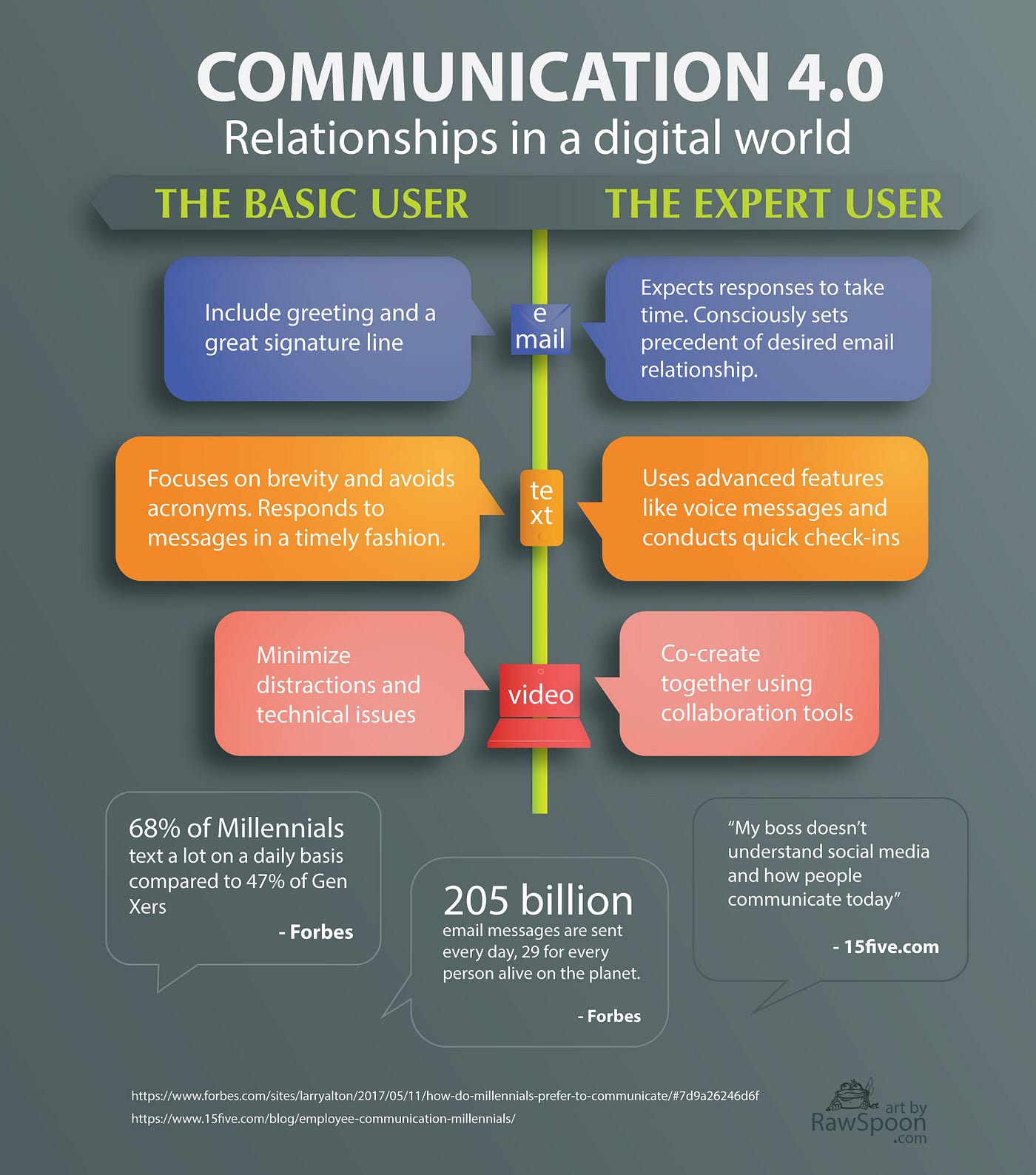
2. The Impact of Evolving CommunicationModern communication has significantly changed how people interact in relationships. Conversations now happen across multiple channels, and emotional expression is becoming more immediate yet complex. This shift has reduced misunderstandings in some cases, while also introducing new challenges in clarity and depth of connection.
How City Life Is Being Redefined by Work, Mobility, and Community Trends in the U.S.
Beyond the Skyline: The Real Trade-Offs of Living in America’s Biggest Cities
City Living in 2025: How Urban Priorities Are Shifting Across the U.S.
Inside the DaiLLL Rhythm of U.S. Cities: What Residents Value Most Today
Relationships are increasingly centered around emotional accessibility—being present, responsive, and understanding. This approach reduces emotional distance and encourages deeper connection. It also supports healthier interactions by promoting openness and reducing emotional stress.

Relationship roles are adapting to modern expectations. Partners are sharing responsibilities more equally, including emotional support, decision-making, and personal growth. Many individuals are prioritizing balance and understanding over rigid roles, leading to more adaptable and supportive partnerships.
5. Changing Patterns of ConnectionConnections within relationships are becoming more fluid. Individuals are finding new ways to spend time together, whether through shared activities, meaningful conversations, or simple daily interactions. These patterns help strengthen bonds while allowing flexibility in how connection is maintained.
6. Emotional Awareness Is IncreasingEmotional awareness is quietly enhancing relationship dynamics. People are becoming more conscious of their own feelings as well as their partner’s needs. This awareness improves understanding, reduces conflict, and creates a more stable emotional environment.
7. Social Interaction Within Relationships
Social patterns within relationships are shifting. Instead of limiting meaningful interactions to specific moments, individuals are integrating connection into daily routines. Small, consistent efforts—like checking in or spending quality time—are becoming more valuable than occasional grand gestures.
 8. Well-Being Is a Shared Priority
Relationships are placing greater emphasis on overall well-being. Supporting each other’s mental and emotional health is becoming essential. A healthy relationship now includes space for self-care, personal growth, and mutual encouragement.
9. The Balance Between Effort and IndependenceModern relationships continue to involve trade-offs. Individuals must balance emotional effort with personal independence. This balance reflects the ongoing need to maintain individuality while nurturing a strong and supportive connection.
10. Redefining Relationship ExpectationsPeople now expect more from relationships—they seek trust, emotional safety, stability, and meaningful connection. Relationships are evolving to meet these expectations through better communication, deeper understanding, and consistent effort, creating a more fulfilling experience.
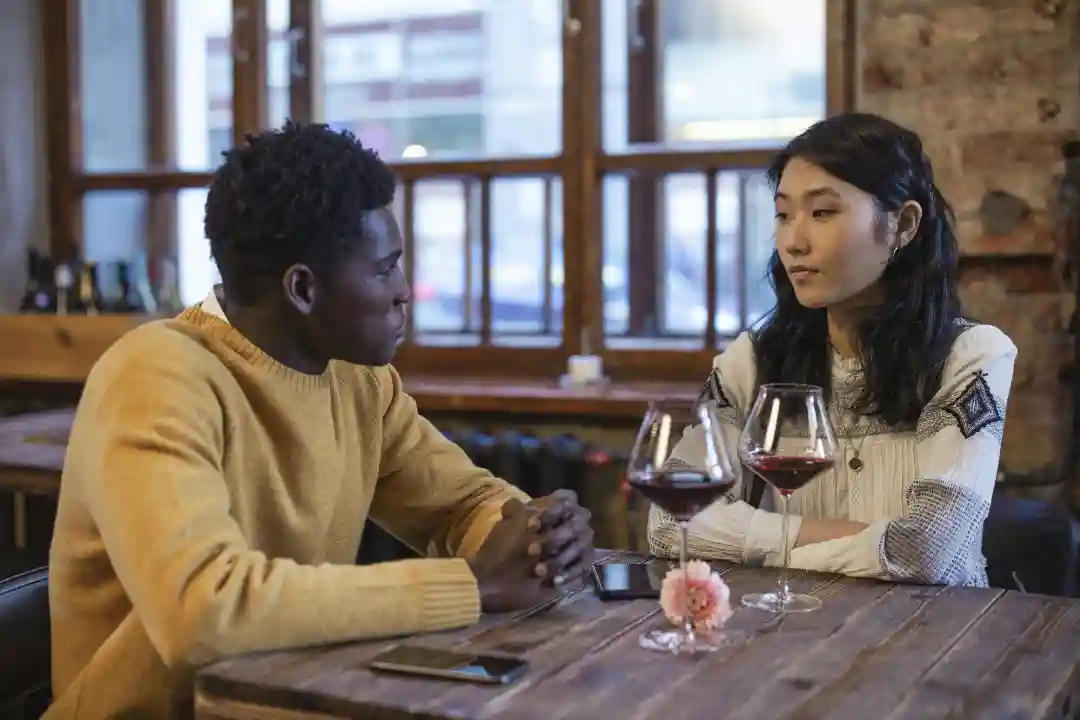
Relationships in 2026 are not defined by dramatic change, but by a series of quiet transformations that reshape daily interactions. From emotional awareness to flexible roles and deeper connection, relationship environments are adapting to modern needs. These shifts are helping individuals build more balanced, supportive, and meaningful connections in their everyday lives.
Subscribe to our email newsletter to get the latest posts
delievered right to your email

With a passion for storytelling and a deep understanding of the subject, the author brings insightful, engaging content to life. Their writing blends clarity with creativity, making complex topics approachable.
Read More