
01 Jun 2026
Read Time: 15 min read
Relationships offer connection, support, and emotional fulfillment—but they also come with less visible costs. Beyond time and effort, relationships affect mental health, emotional energy, personal independence, and social balance. Understanding these hidden tradeoffs helps individuals make more informed decisions about how they build and maintain relationships in today’s evolving emotional landscape.
1. The Appeal of Relationships—And What It Often HidesRelationships have long been associated with emotional support, companionship, and shared experiences. However, while time and communication dominate most discussions, they only scratch the surface. The true experience of relationships includes less visible pressures—such as emotional expectations, constant attention, and evolving responsibilities—that shape daily interactions in significant ways.
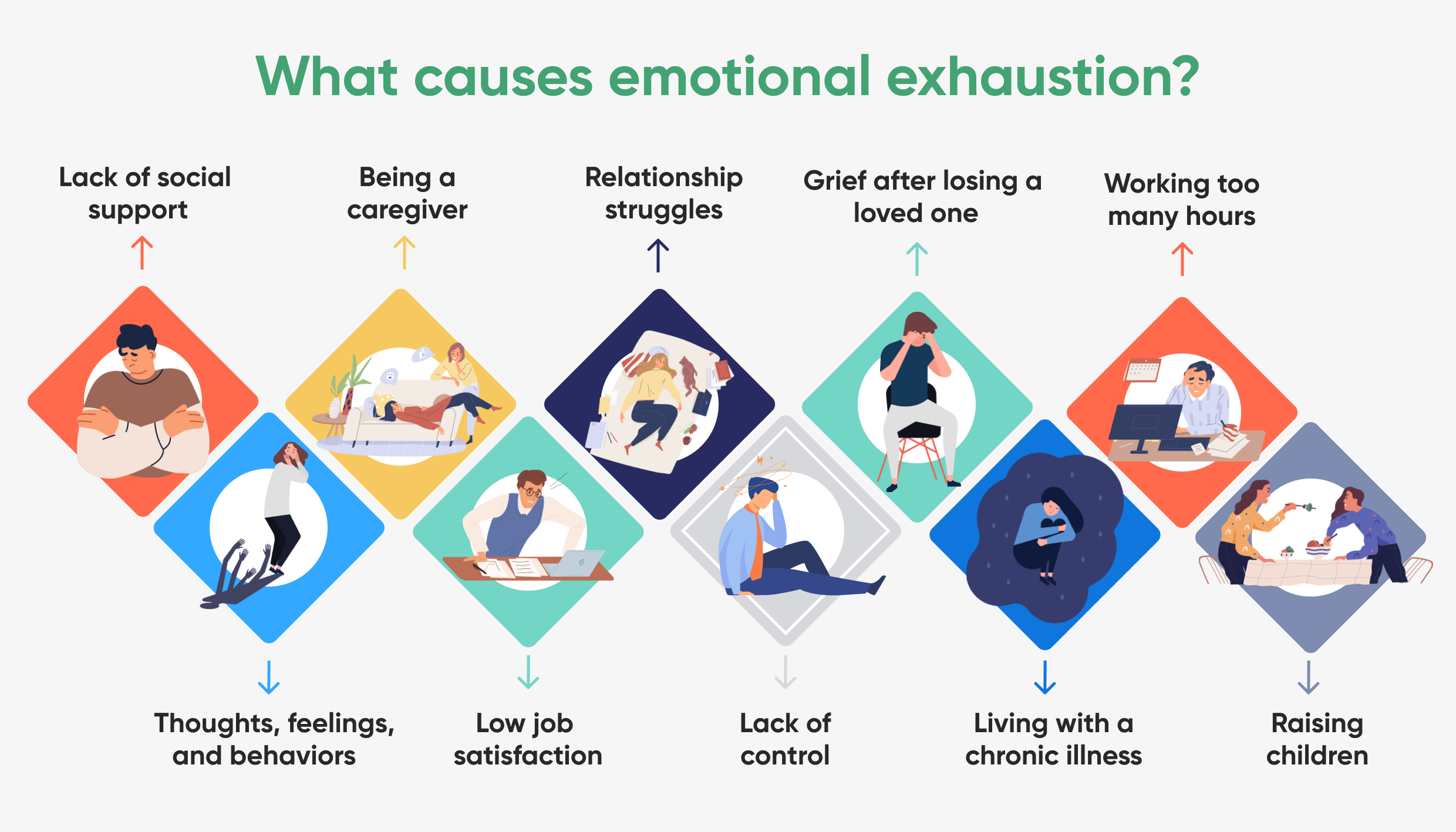
2. Emotional Exhaustion and Daily FrictionOne of the most overlooked challenges of relationships is emotional exhaustion—the feeling of being constantly engaged without meaningful rest. Even healthy relationships involve misunderstandings, emotional discussions, and effort. Daily interactions often require attention and care, leaving little room for emotional pause. Over time, this creates a persistent feeling of pressure, even during stable periods.
How City Life Is Being Redefined by Work, Mobility, and Community Trends in the U.S.
Beyond the Skyline: The Real Trade-Offs of Living in America’s Biggest Cities
City Living in 2025: How Urban Priorities Are Shifting Across the U.S.
Inside the DaiLLL Rhythm of U.S. Cities: What Residents Value Most Today
Relationships require ongoing emotional awareness, but constant attention to feelings, reactions, and communication can lead to mental fatigue. Continuous engagement can increase stress and reduce clarity. Many individuals experience emotional overload—balancing their own needs with their partner’s—making it difficult to fully relax and recharge.

While time is the most visible investment, the deeper cost of relationships lies in emotional energy. Effort, patience, compromise, and understanding all require consistent input. Many individuals dedicate a significant portion of their emotional capacity to maintaining stability, sometimes leaving less energy for personal needs or external priorities.
5. Social Opportunities vs. Deep ConnectionRelationships provide meaningful connection, yet maintaining depth can be challenging. Busy schedules, external responsibilities, and changing priorities often limit the ability to sustain strong emotional bonds. Many individuals feel a gap between being connected and truly understood, highlighting a key paradox of modern relationships.
6. Personal Space: The Independence TradeoffLimited personal space is a defining aspect of many relationships. Sharing time, decisions, and emotional experiences can affect individuality. For some, the lack of separation between personal and shared life can blur boundaries. Over time, this can contribute to both emotional strain and a need for independence.
7. Convenience and Its Long-Term Cost
Relationships often offer emotional convenience—support, companionship, and shared responsibilities are readily available. While this provides comfort, it can sometimes reduce personal resilience or independence. The ease of shared life simplifies challenges but may introduce hidden emotional tradeoffs over time.
 8. Growth with Added Pressure
Relationships remain central to personal growth, offering support and motivation. However, growth often comes with expectations, compromises, and pressure to align with a partner’s goals. For many individuals, maintaining growth within a relationship is closely tied to managing these added responsibilities.
9. Emotional and Mental Well-Being ConsiderationsRelationships introduce emotional challenges such as stress, misunderstandings, and occasional conflict. These factors can affect both mental and emotional health. While strong relationships provide support, maintaining balance often depends on communication, understanding, and mutual effort.
10. Rethinking the Value of RelationshipsIn recent years, many individuals have begun reevaluating the role relationships play in their lives. Changing priorities and personal goals have made it possible to consider different approaches. For some, the goal is no longer simply to be in a relationship, but to find a balance between connection, independence, and overall well-being.

Modern relationships offer undeniable advantages, but they also require navigating a complex set of tradeoffs that extend far beyond time and effort. By understanding these hidden factors—emotional energy, mental load, personal independence, and lifestyle balance—individuals can make more intentional decisions about how they connect. Ultimately, the goal is not just to be in a relationship, but to build one that supports both individuals in a healthy and sustainable way.
Subscribe to our email newsletter to get the latest posts
delievered right to your email

With a passion for storytelling and a deep understanding of the subject, the author brings insightful, engaging content to life. Their writing blends clarity with creativity, making complex topics approachable.
Read More